Horst Eigenfeldt was born September 28, 1923, in Karlsrode, previously known as Alt Sussemilken, a small village on the Timber River. In 1939, it had a population of 449.
Opa: Growing Up and Family
Birthplace
Horst Eigenfeldt was born on September 28, 1923, in Alt Sussemilken, East Prussia.
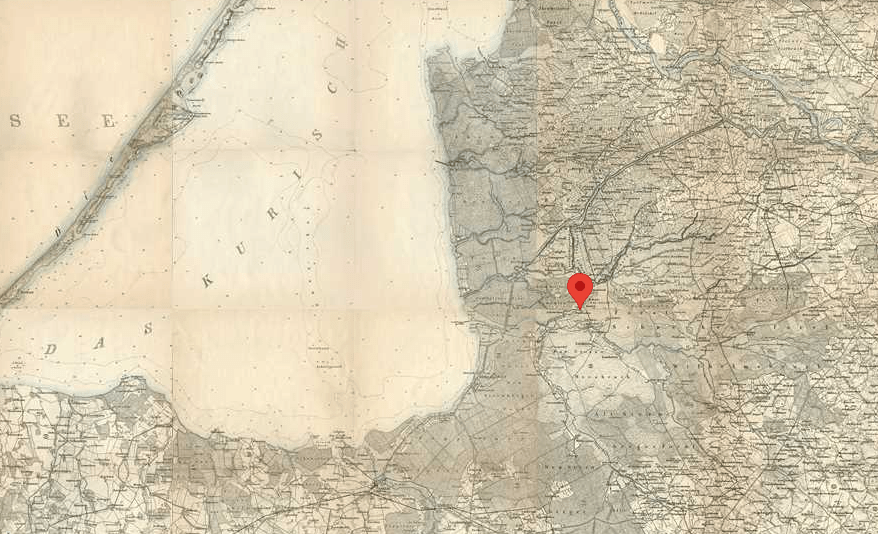
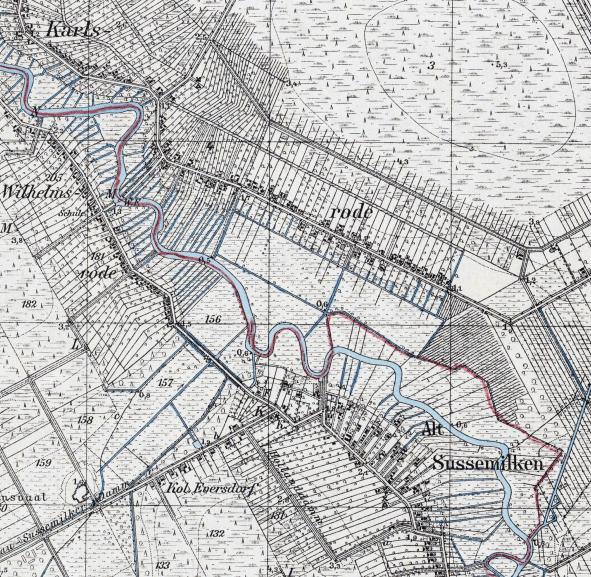
Like many towns in East Prussia, Alt Sussemilken was renamed in order to remove older “non-German” placenames, and it breifly became Karlsrode in the 1930s; most of Opa’s documents list his birthplace as Karlsrode.
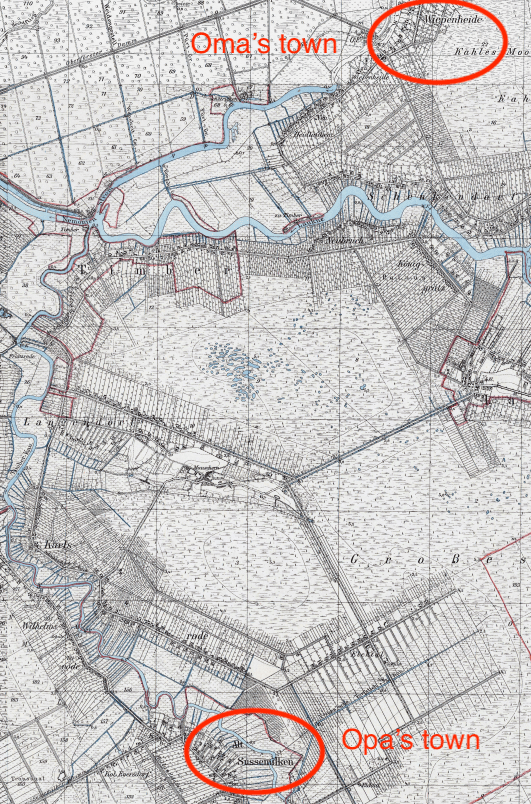
Alt Sussemilken was on the Timber river, a few kilometers southwest from Alt Heidlauken, where Oma grew up. The area is abandoned now, with the outlines of homesteads barely visible on Google Maps.
Family
Horst was the oldest child of his mother and his father, Ewald.
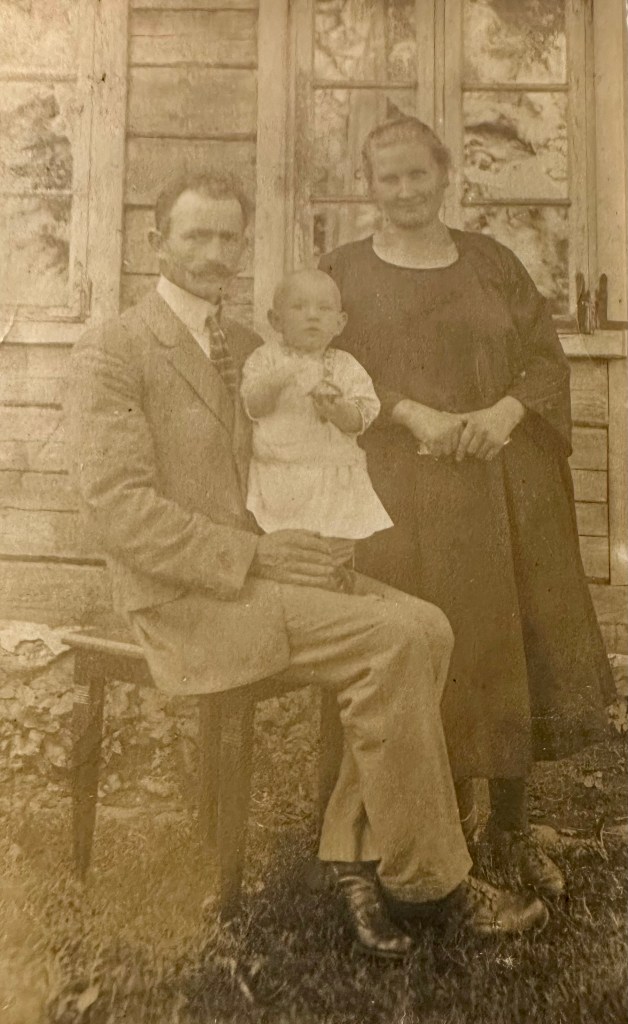
Horst was the oldest of four: sisters Hildegard (1924?-?), Ursula (1926-2019) and brother Karl (1934-1999).
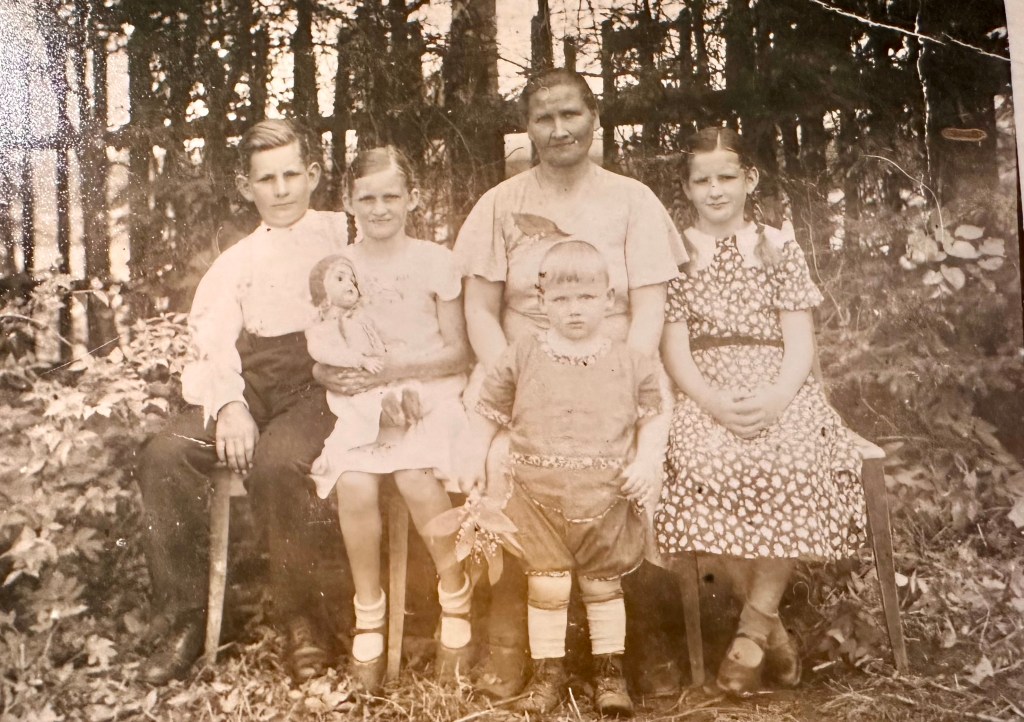
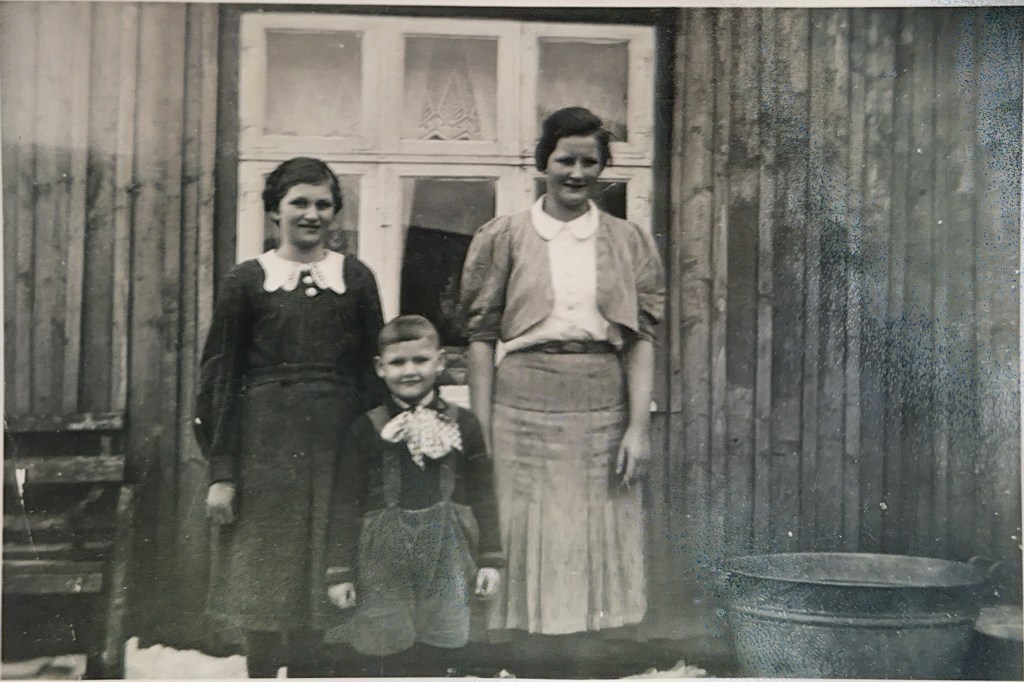
Children in East Prussia only went to school until grade 8, or age 13. For Horst, this was have been a one-room schoolhouse in which all grades were taught at the same time.
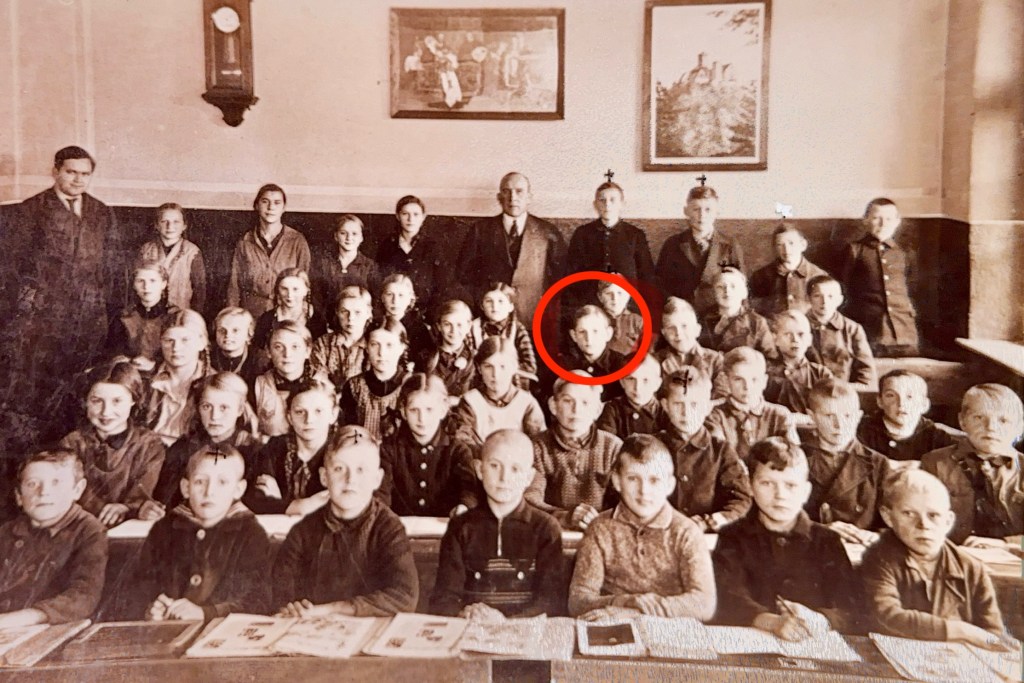
Speaking with his sister Ula (Ursula) in 2018, she said that Horst was always the smart one in the school, often challenging the teacher. In different times, or a different place, Opa would have continued high school and gone to university.
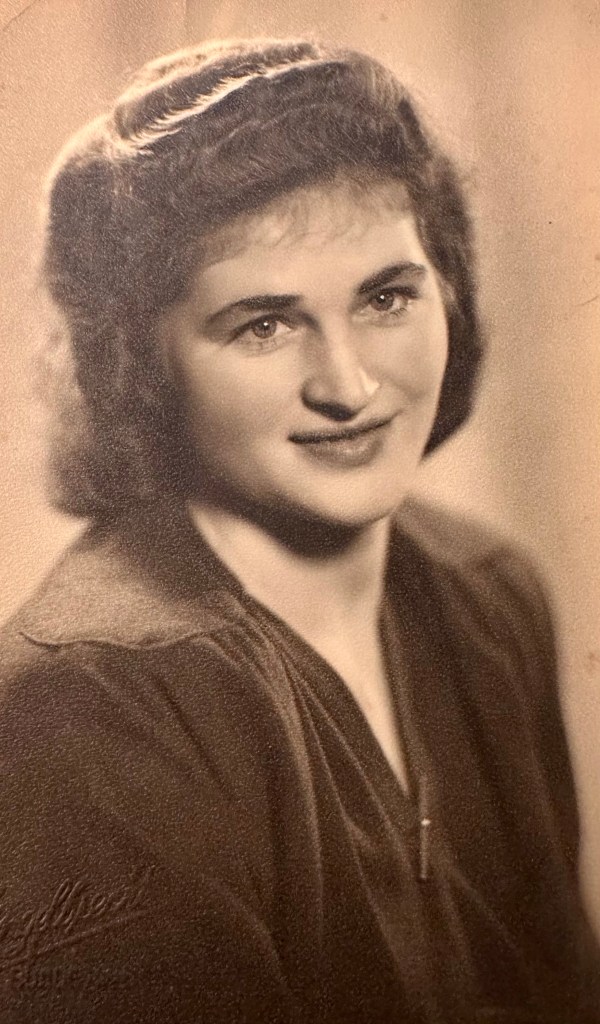
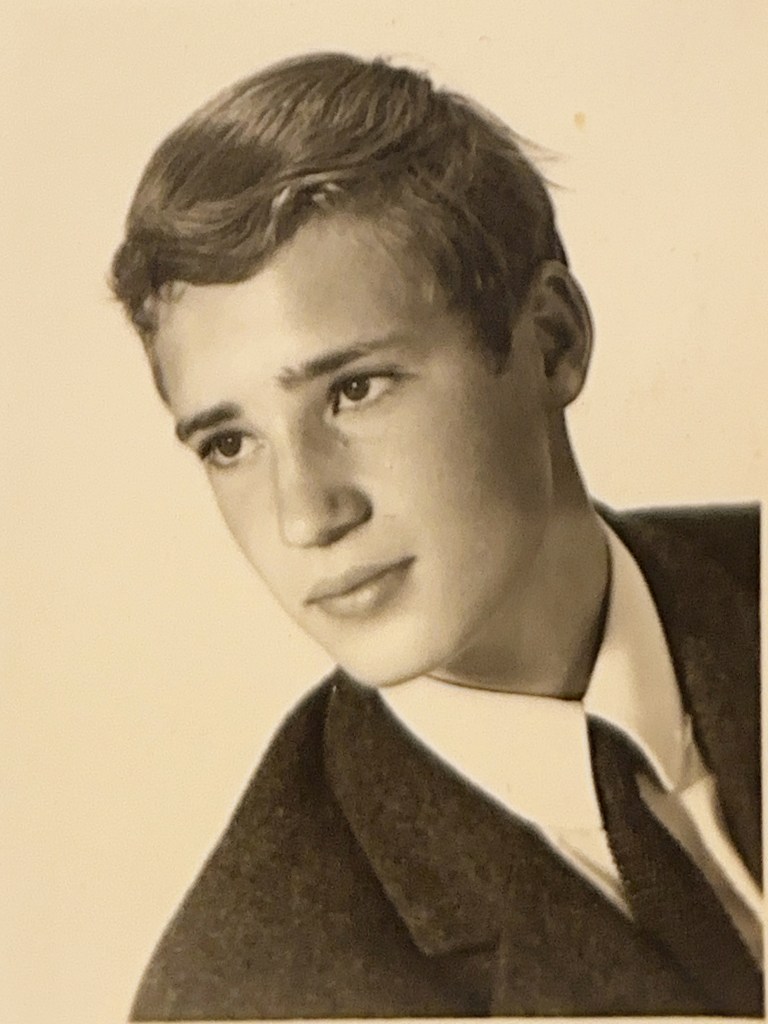
After Opa joined the military in 1942, it seems that some individual photos were taken and sent to him.
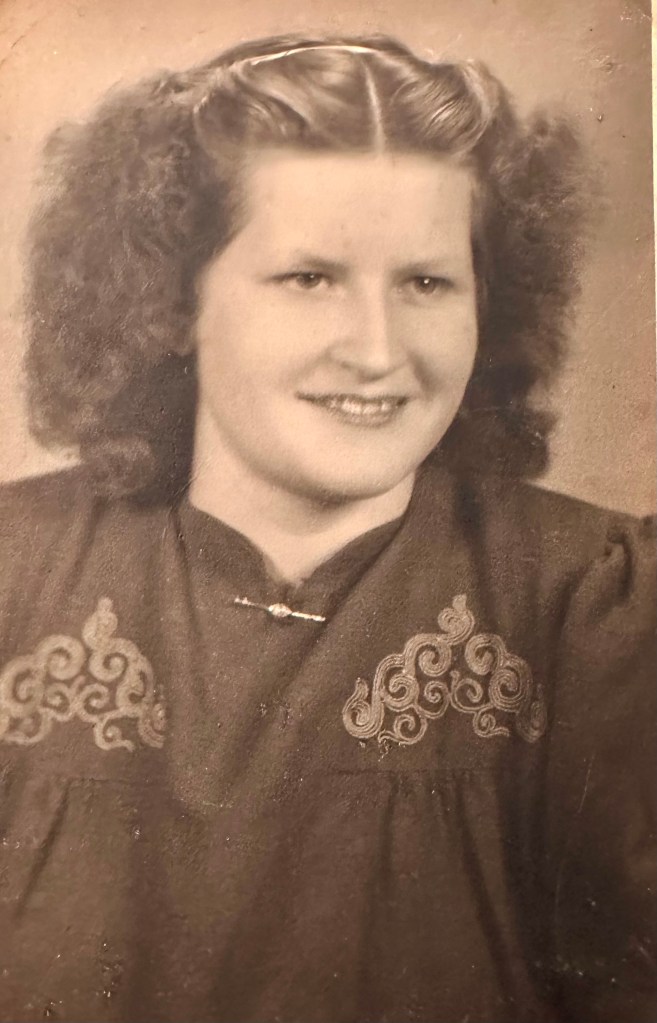
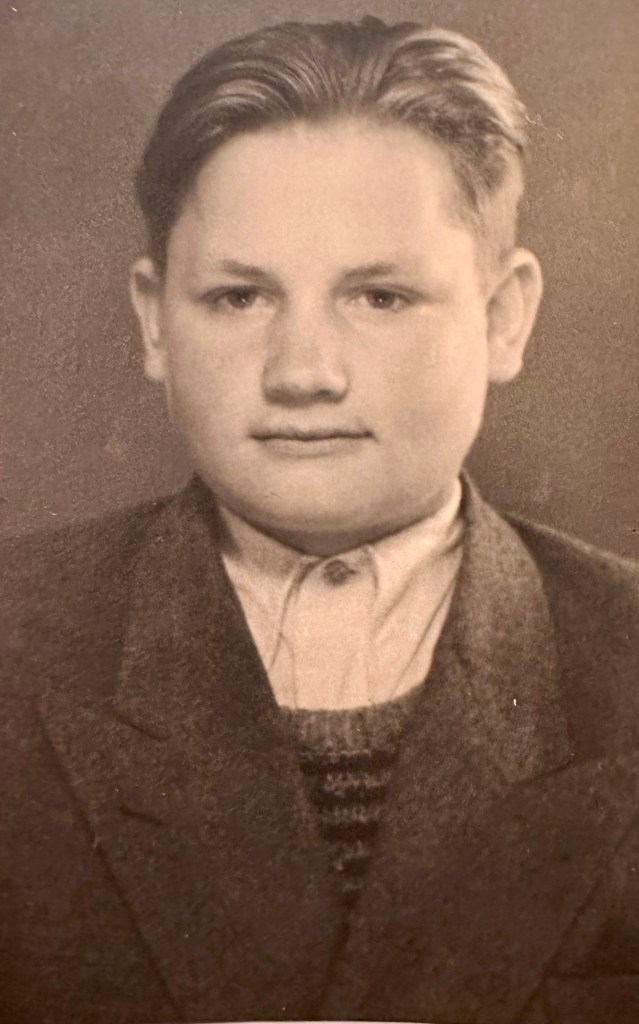
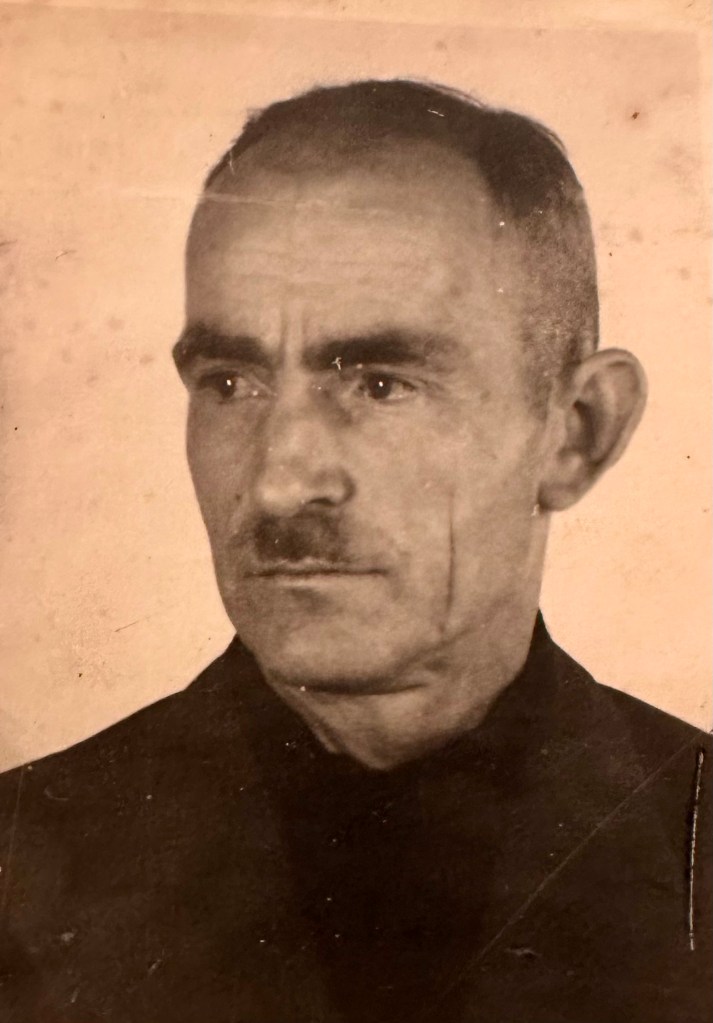
Father: Ewald Eigenfeldt
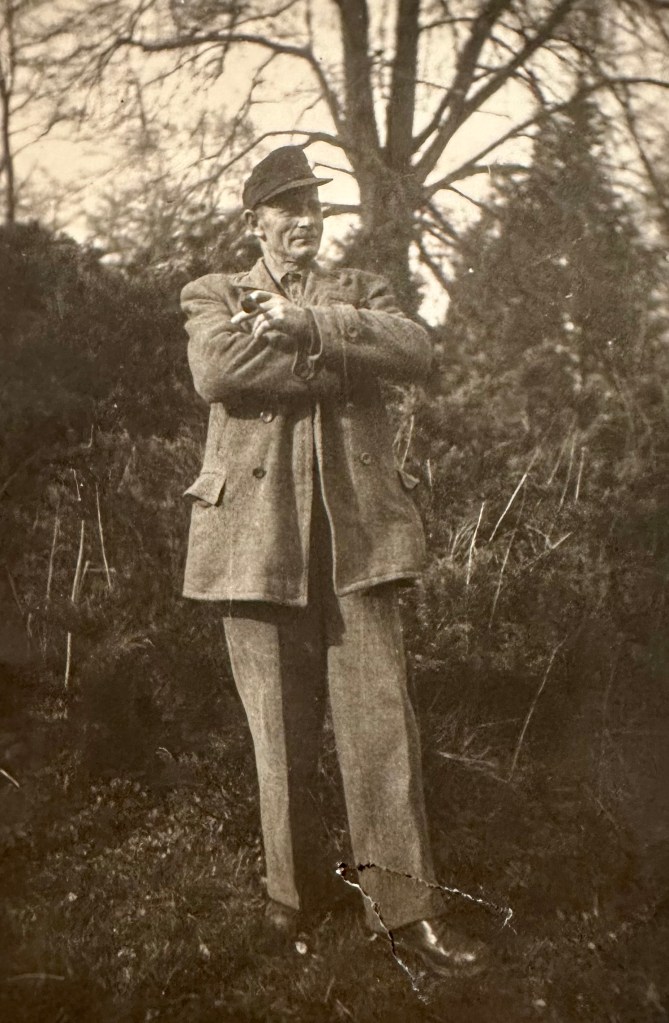
Ewald (1893-1981) would have been 21 when the First World War broke out. Here he is in a uniform from the war.
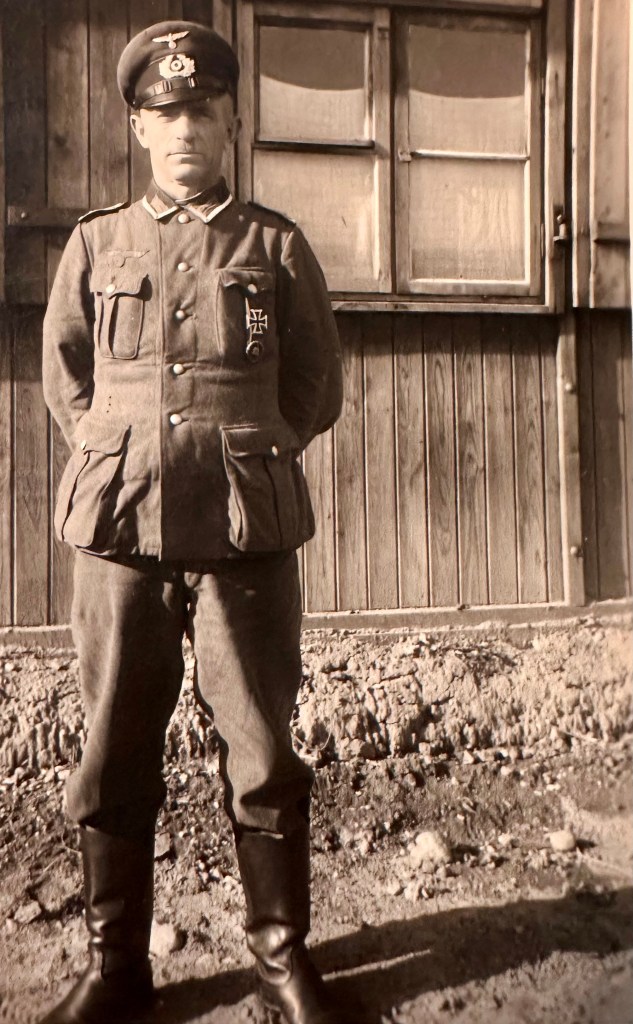
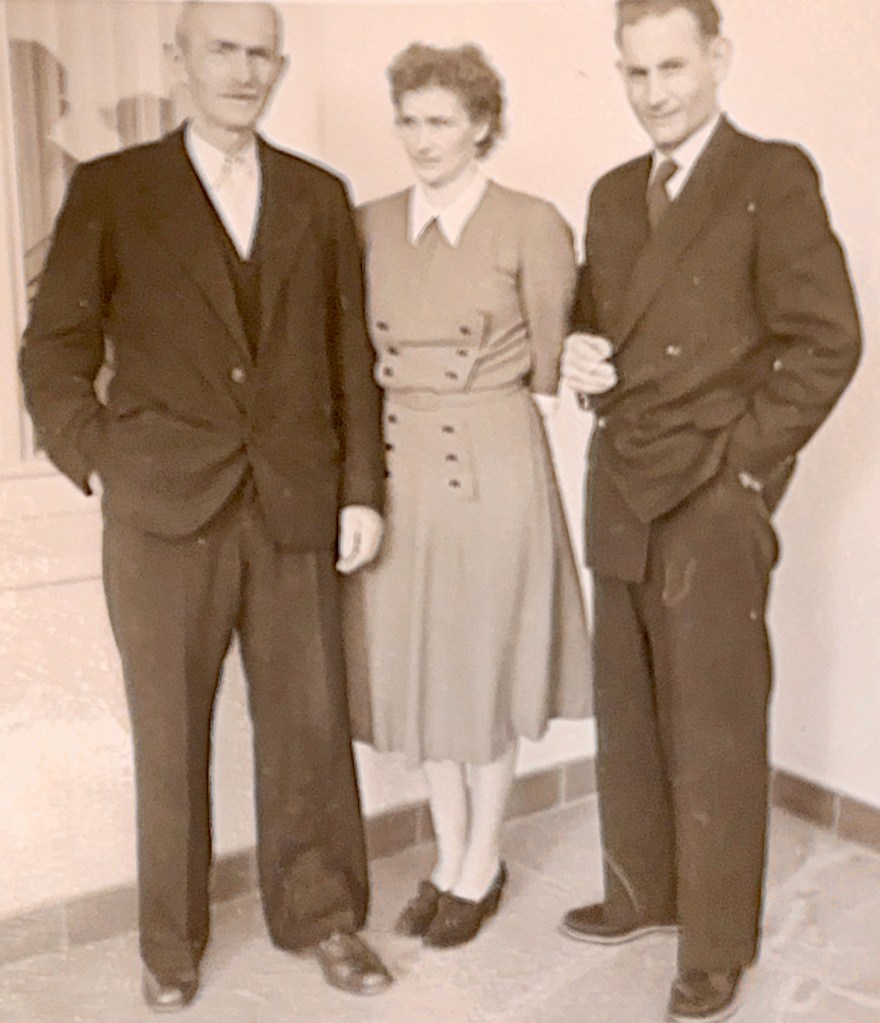
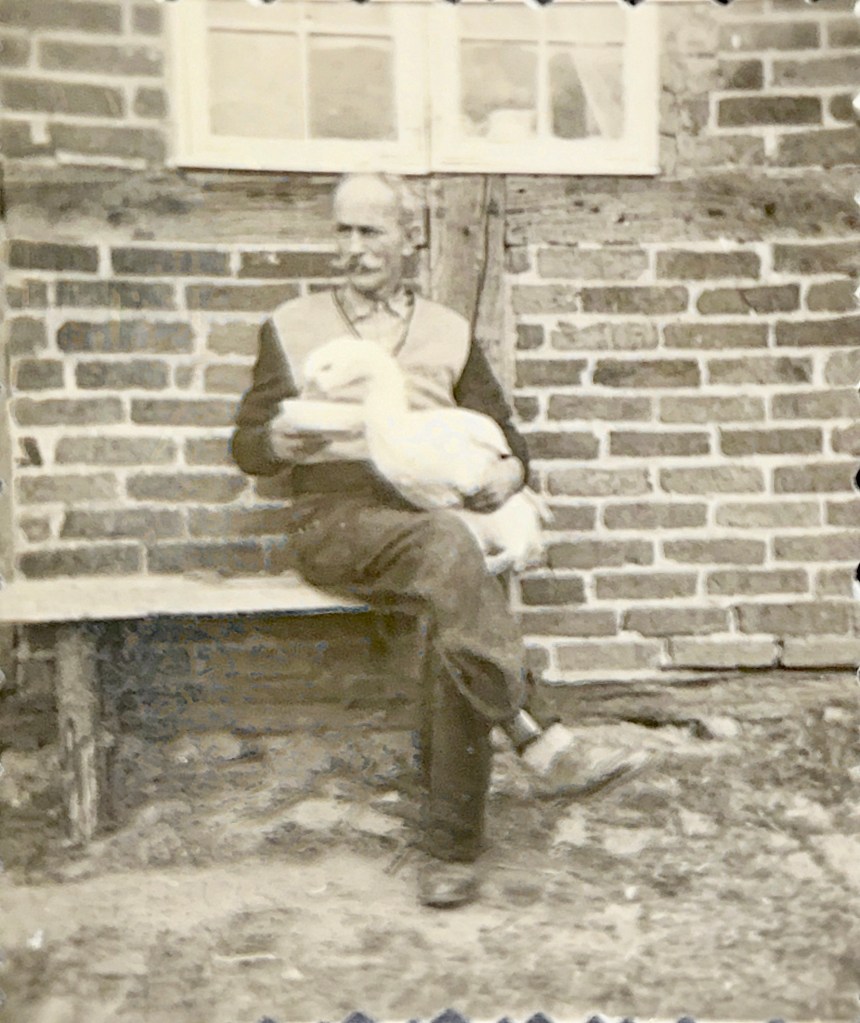
Ewald lived until he was 88 in East Germany, close to Opa’s brother, Karl. A church notice of Ewald’s death in 1981 listed his occupation as “wheelwright”, a craftsman who builds or repairs wooden wheels.
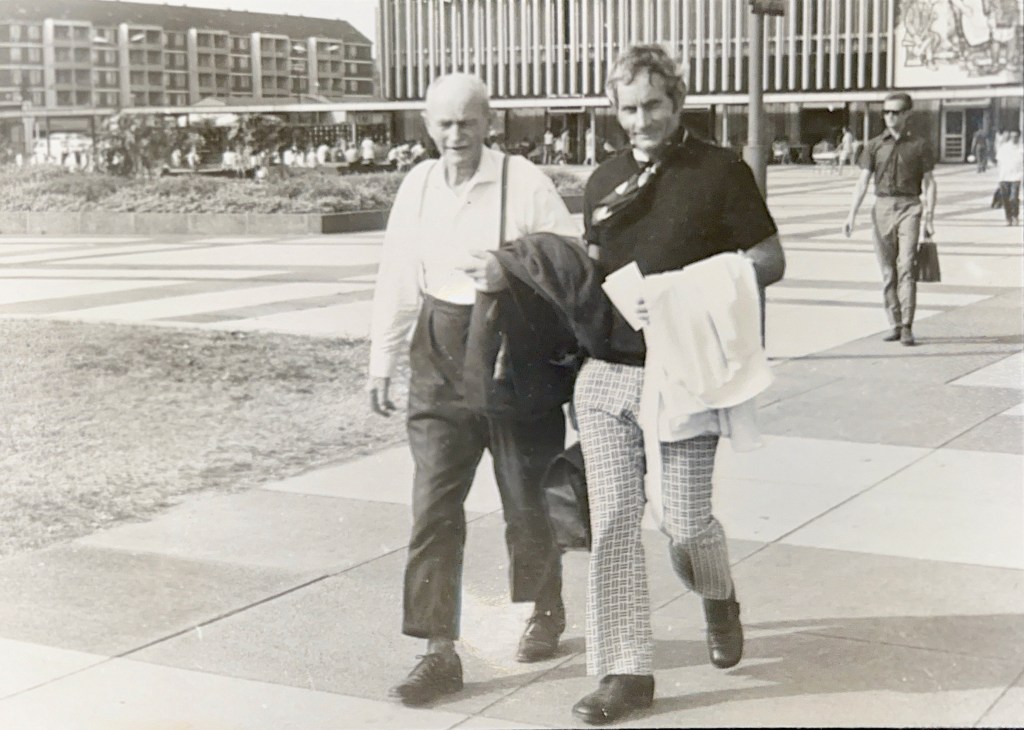
After the war, Ewald stayed in East Germany with Opa’s brother, Karl; Opa was able to visit them in 1970 and 1980.
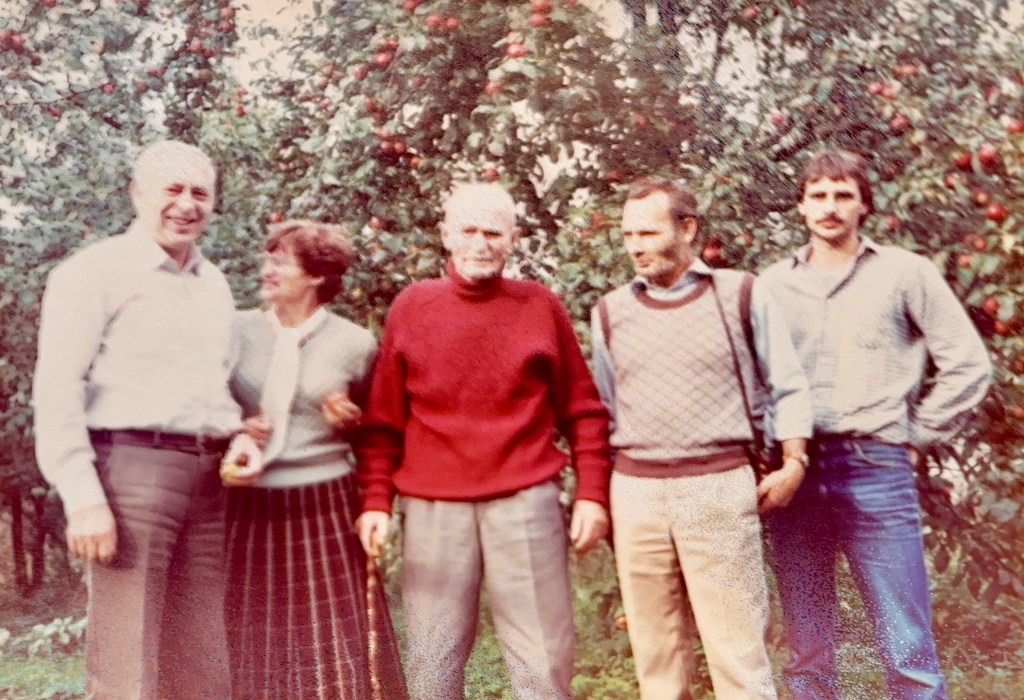
Mother
Opa’s mother passed away at 47, quite possibly from cancer, when Opa was only 17. In all writing, Opa refers to her as “Mamma”, and I don’t remember him telling me her name, sadly.
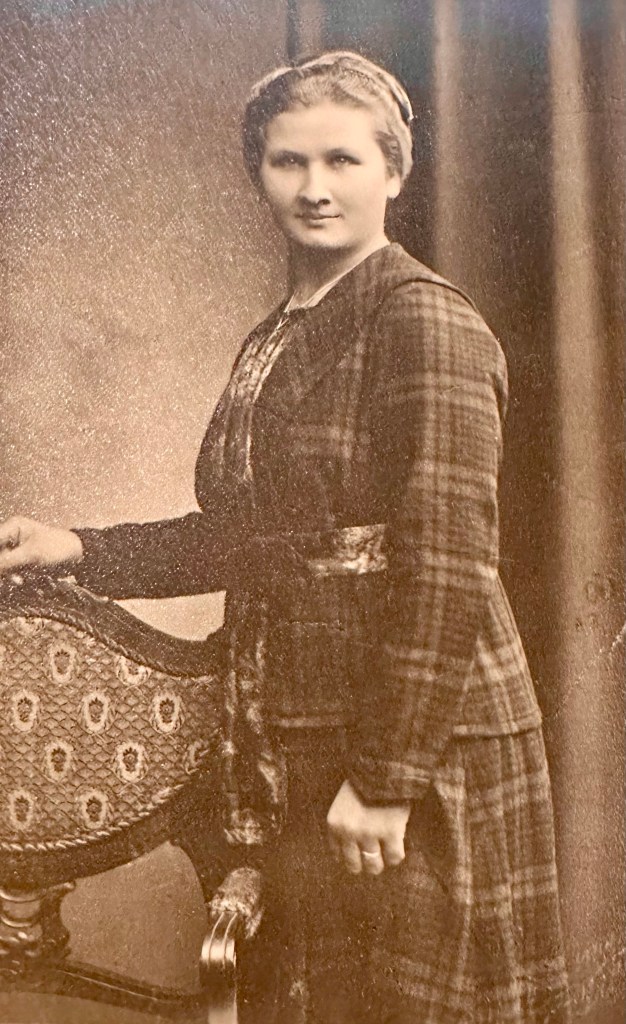
Apparently, Ewald remarried after his wife’s death in 1940. The photo below has “My stepmother” written on the back of it in Opa’s handwriting. Opa never spoke of having a stepmother.
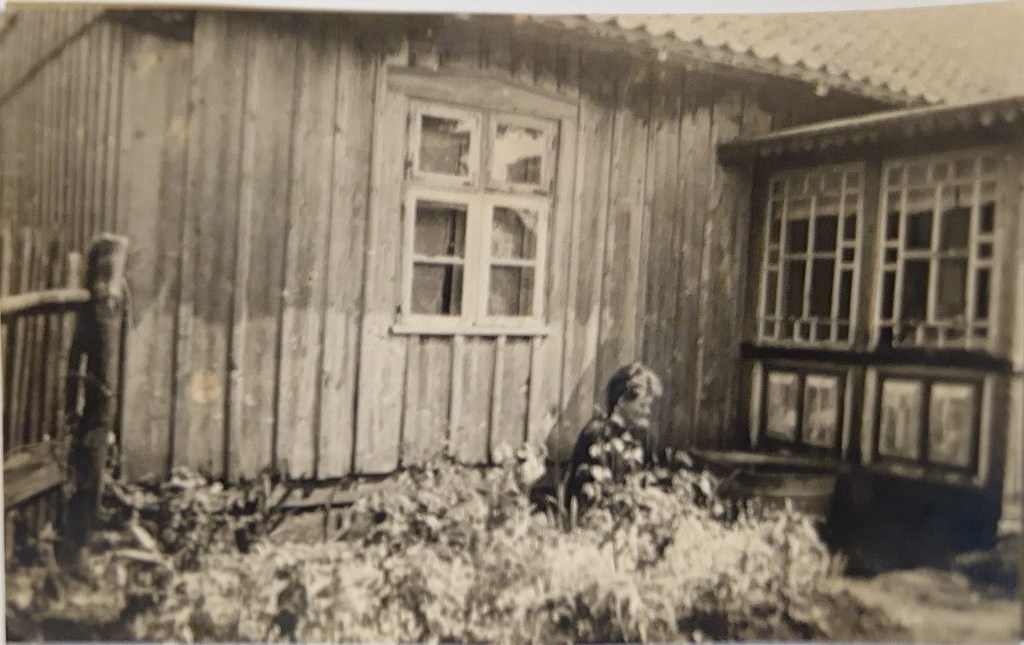
Karl Eigenfeldt
For reasons that are unclear, Karl remained in East Germany after the war, while his brother and two sisters ended up in West Germany. As we will soon see, Horst spent at least a year in Berlin in 1948, most likely with his father and brother, who would have been only 14 at the time. Ewald had a sister in Berlin, so perhaps that is why he stayed there with his son Karl.
Even though there was an “Iron Curtain” separating West and East Germany between 1945 and 1991, Horst was able to connect with both his father and brother, visiting in 1970 and 1980.
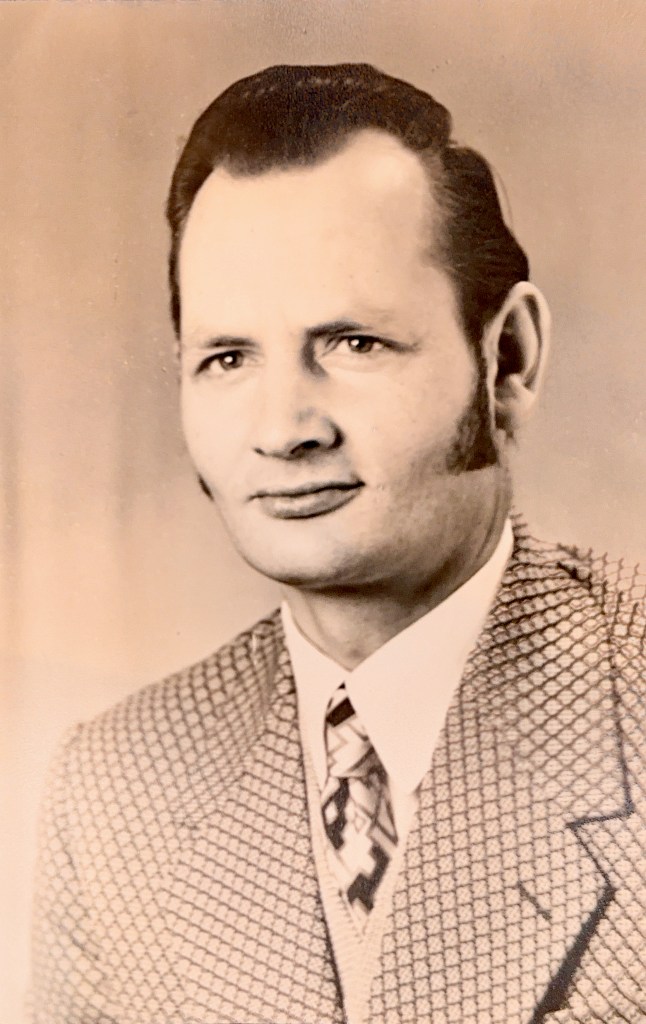
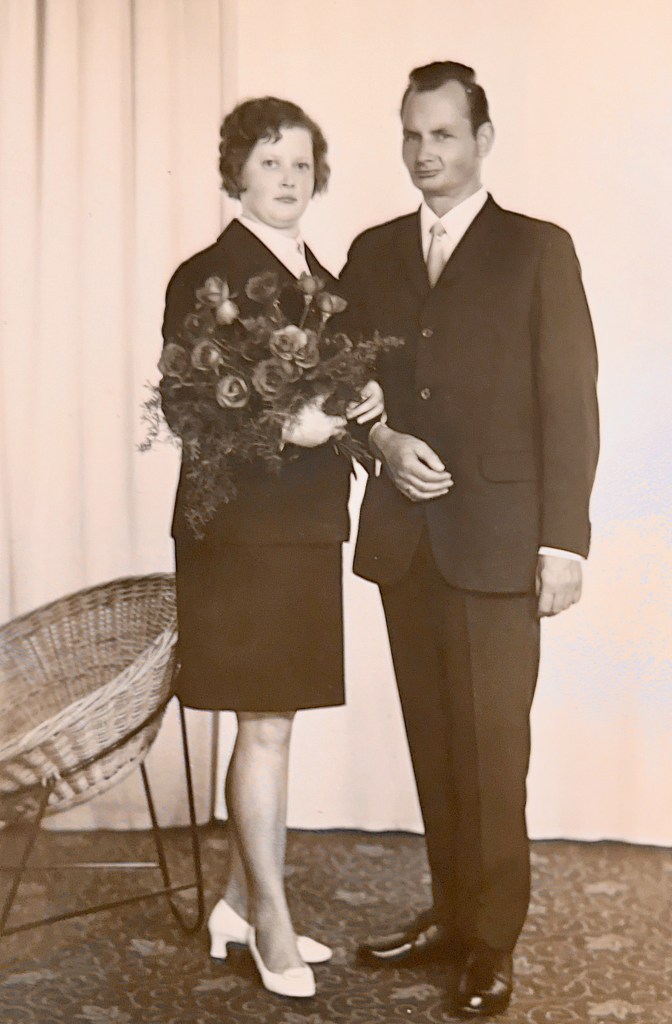
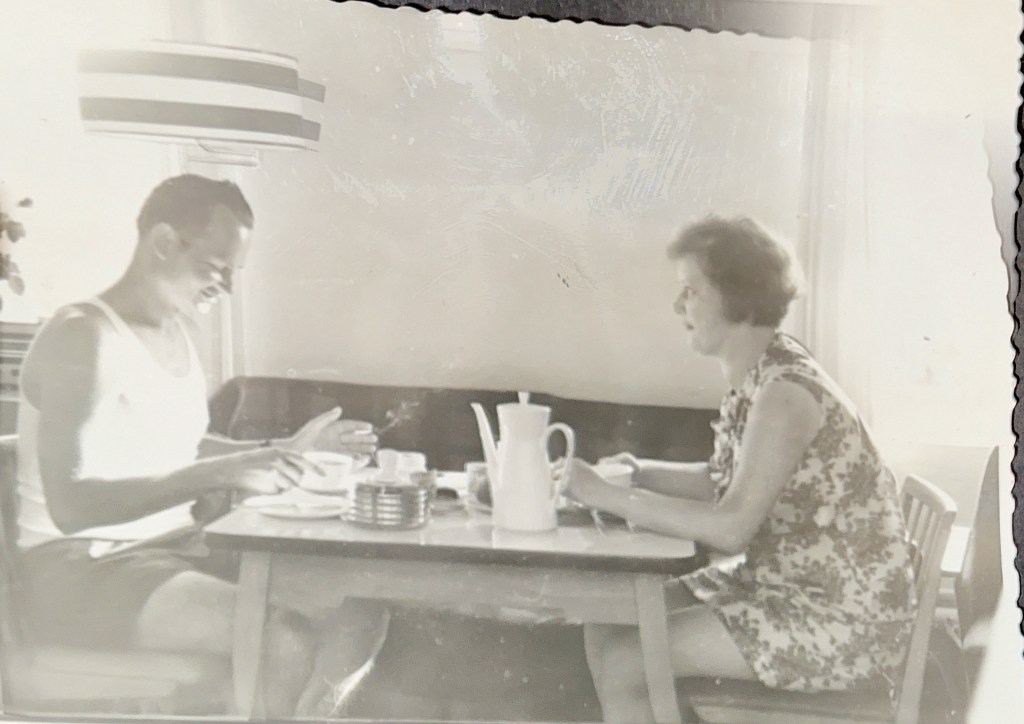
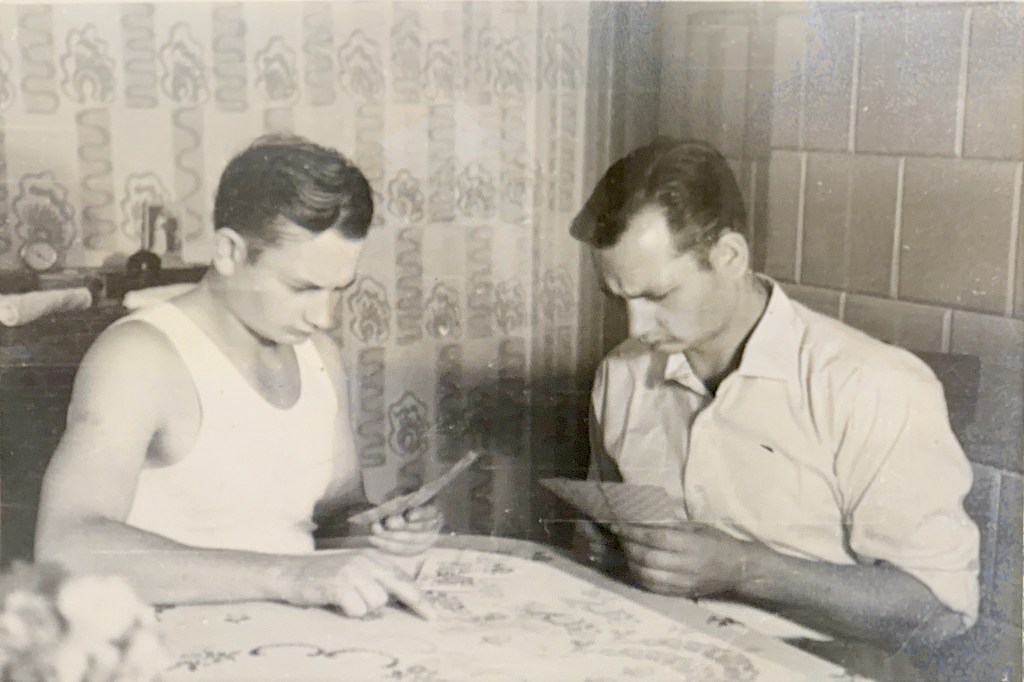
Karl Eigenfeldt had a small farm in the last few decades of his life near the East German/Czech border:
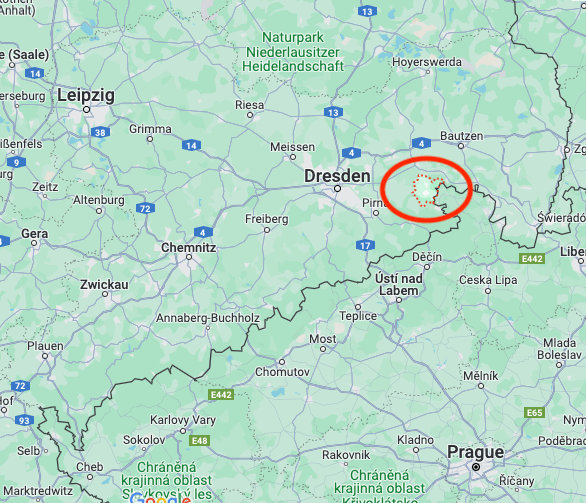
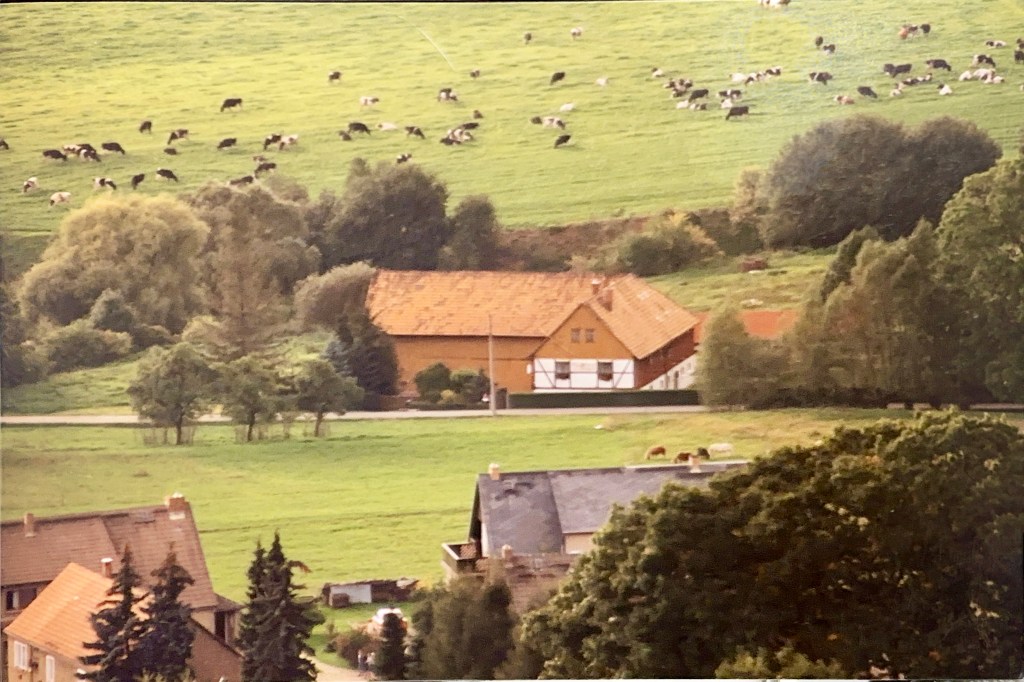
Karl Eigenfeldt had a difficult life; his mother died when he was seven, and he had to fend for himself when East Prussia was occupied by the Russians in 1945, when he was twelve. Karl passed away in 1999 at age 65.
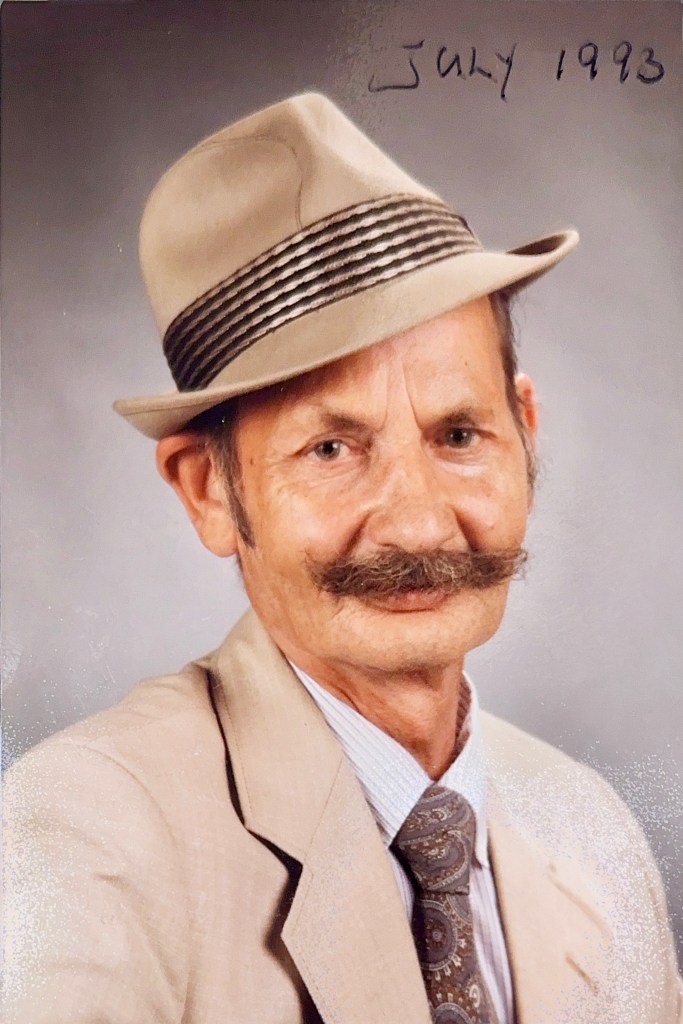
When the war ended in 1945, East Prussia was divided between Poland, Russia, and Czechoslovakia. According to Wikipedia, “Many of the ethnic Germans, who were primarily women and children, and especially those under the control of Polish and Czechoslovakian authorities, were severely mistreated before they were ultimately deported to Germany.”
Hilde Greve (Eigenfeldt)
Opa’s sister Hilde married in 1944 to Heinrich Greve (1913-1984), and they had three children: Bärbel, Gerd, and Marlies.
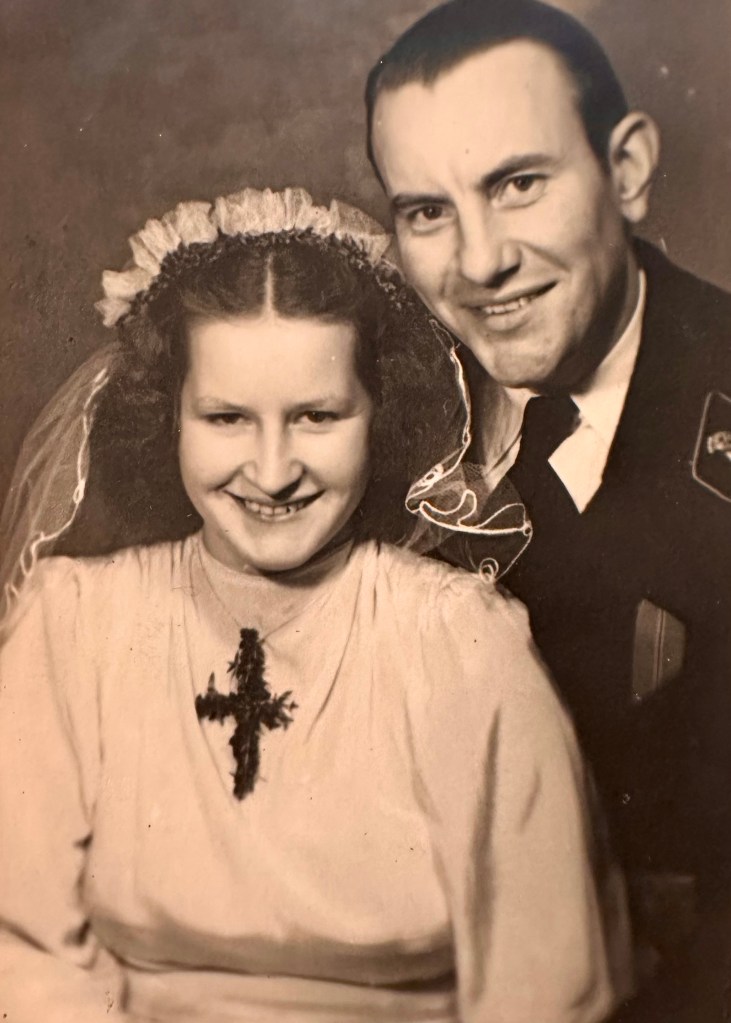
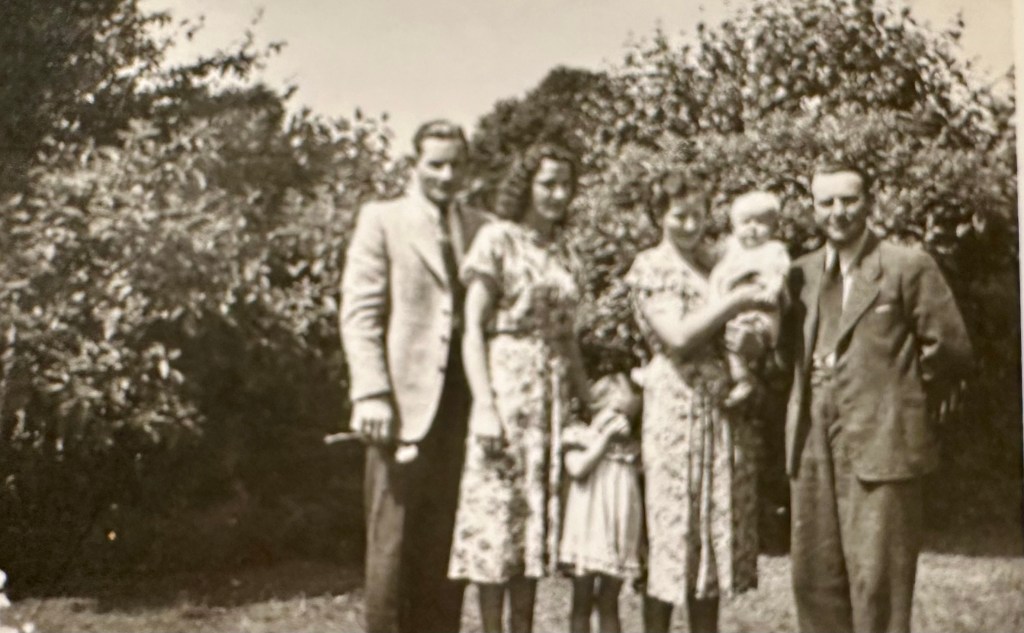
Ursula Libor (Eigenfeldt)
Ursula married Herbert Libor (date?), and they had two boys: Wolfgang (born 1952?) and Klaus (born 1954?).
 Our German Family